1 min read

Technical Update: Integration of Color in TPCD Diaphragms

Technical Update: Integration of Color in TPCD Diaphragms

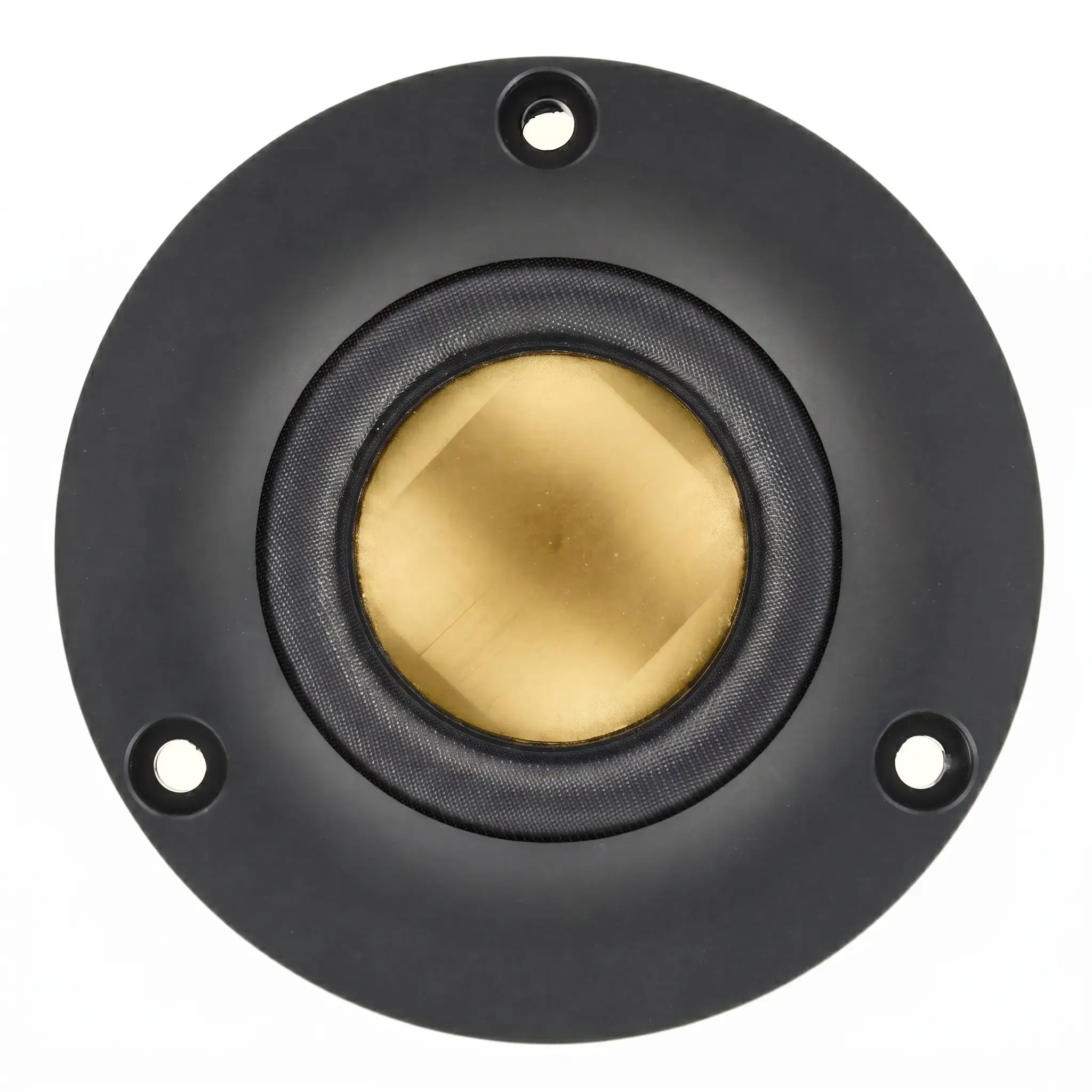
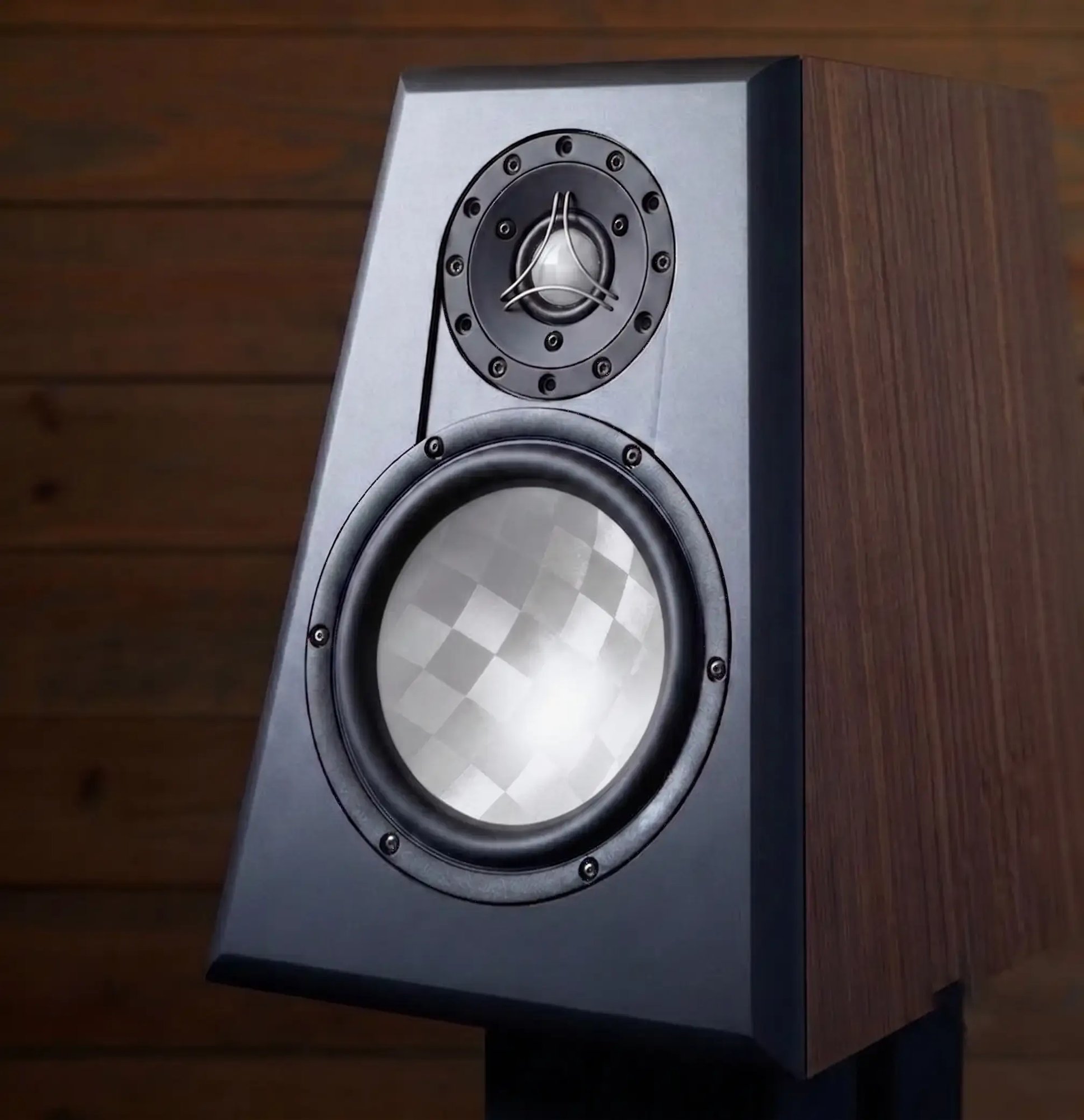
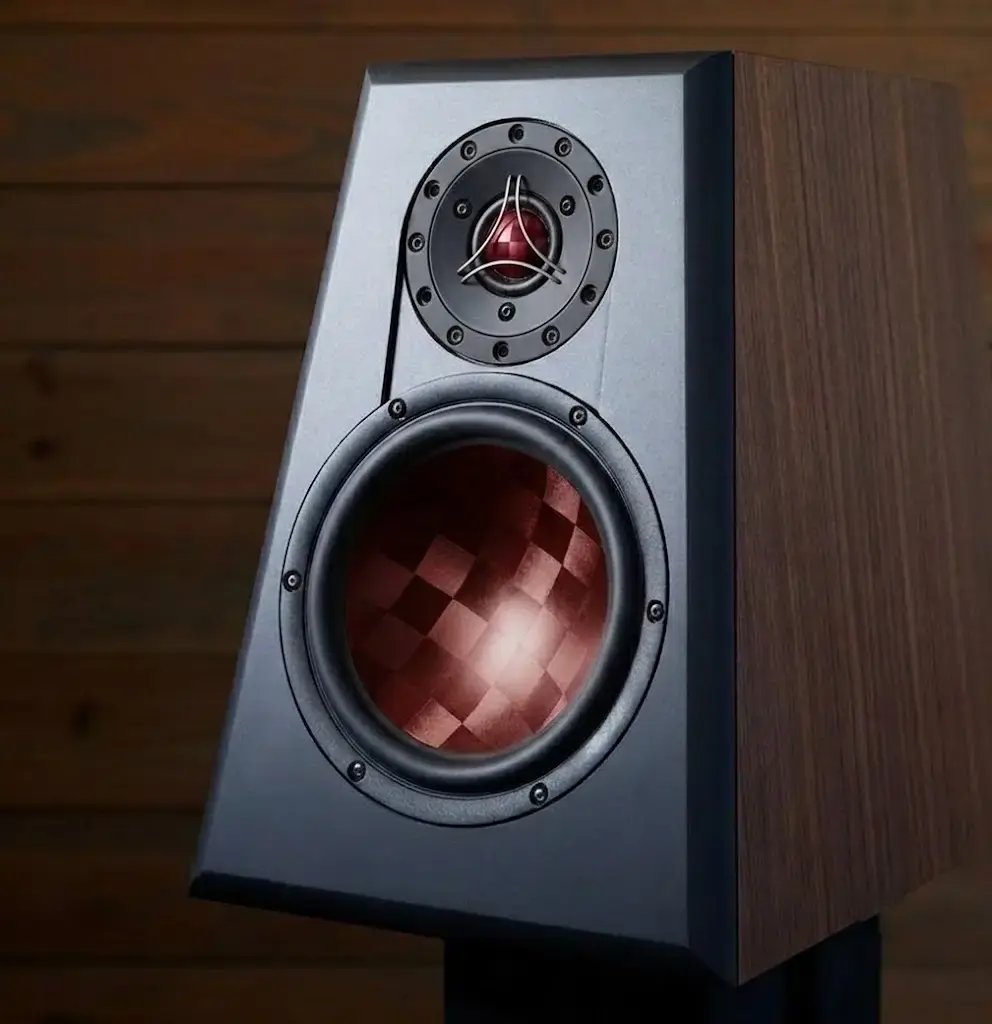
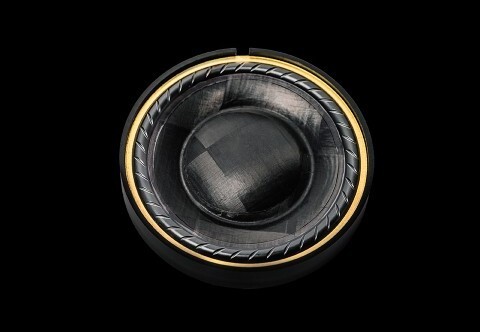
Composite Sound's Thin-Ply Carbon Diaphragms (TPCD®) are inherently performance-driven. Tailored cosmetics are, however, frequently a critical component for the market success of a customer's final product. To meet the demands of both acoustic performance and aesthetics, color can now be integrated directly into the material during production, removing the need for a post-production coloring process.

This update details the integration of coloring technology into Composite Sound's product offering.


TPCD_Colored-1

Acquisition and Technology Shift

Composite Sound’s capability to provide unique and tailored cosmetics has been expanded following the acquisition of Hypetex CAM by Composite Sound's parent company, TeXtreme® | Oxeon AB.

Hypetex CAM has developed a technology that allows coloring of fiber-reinforced materials, including both carbon and glass fibers, during the material processing phase. This technology integrates color directly into the thin-ply carbon material, presenting a unique alternative that minimizes weight addition compared to conventional post-production coloring treatments (CompositesWorld, 2026).


In-House Manufacturing Integration

This capability will be fully integrated into the existing manufacturing workflow. Consequently, Composite Sound can offer TPCD® diaphragms in specified color variants, processed in-house. This means that the whole production chain, including TeXtreme® thin-ply carbon production, the coloring process, and diaphragm development and production, occurs within the same manufacturing facility.


Technical and Process Implications

  • Design Flexibility:  Composite Sound enables loudspeaker designers and brands to customize the appearance of their diaphragms, creating a unique visual identity that reflects each customer's brand and design vision. 

  • Retention of material properties: The coloring technology introduces color directly during the material processing phase rather than relying on traditional heavy surface coatings or post-production paint layers. Compared to these conventional treatments, this method minimizes the addition of mass, thereby reducing the impact on the stiffness-to-weight ratio on the final composite part.

In practice, this integration allows Composite Sound to deliver tailored cosmetic solutions directly from the same manufacturing facility responsible for both the TeXtreme®  thin-ply carbon and the final TPCD® product.

TPCD_Speaker_White
TPCD_Speaker_red


References

CompositesWorld (2026) 'Oxeon AB acquires Hypetex CAM to expand TeXtreme colored composites'. Available at: https://www.compositesworld.com (Accessed: 24 June 2026).


Fill in the form below to learn about the possibilities in your upcoming project!

Experiences from the world's first headphone using TPCD diaphragm

Experiences from the world's first headphone using TPCD diaphragm

Jude Mansilla and Brian Murphy from head-fi.org talks about the Heddphone D1 - the world's first headphone featuring a TPCD diaphragm from Composite...
What is a Thin-Ply Carbon Diaphragm (TPCD®)?

What is a Thin-Ply Carbon Diaphragm (TPCD®)?

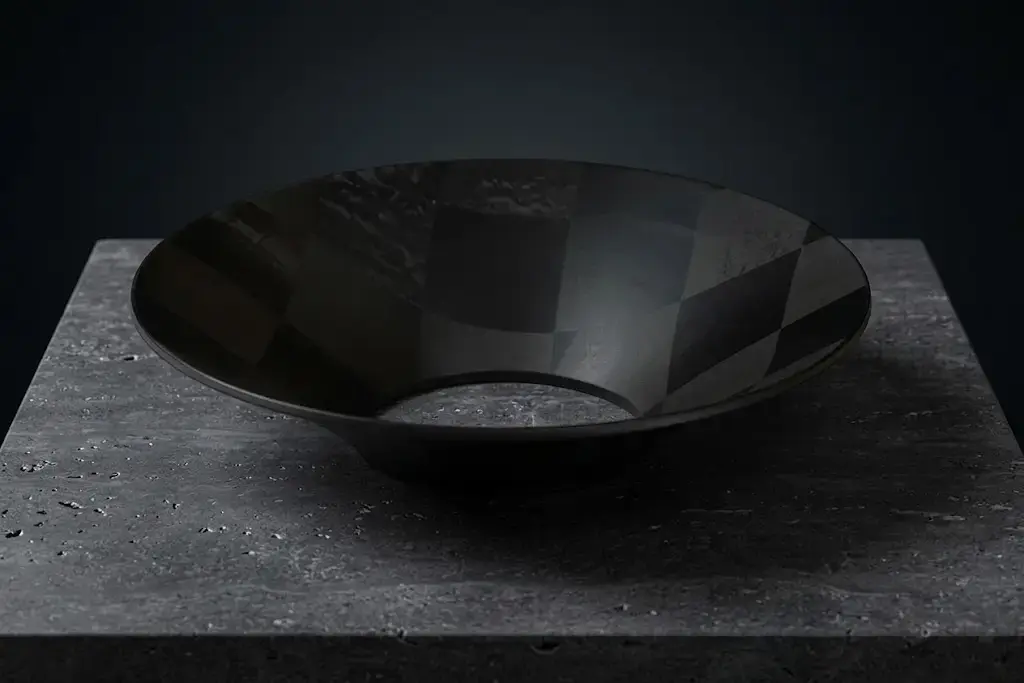
What is a TPCD®? Learn how Thin-Ply Carbon Diaphragms use engineered stiffness and local thickness distribution across the diaphragm to control...
Case study on a TPCD tweeter

Case study on a TPCD tweeter

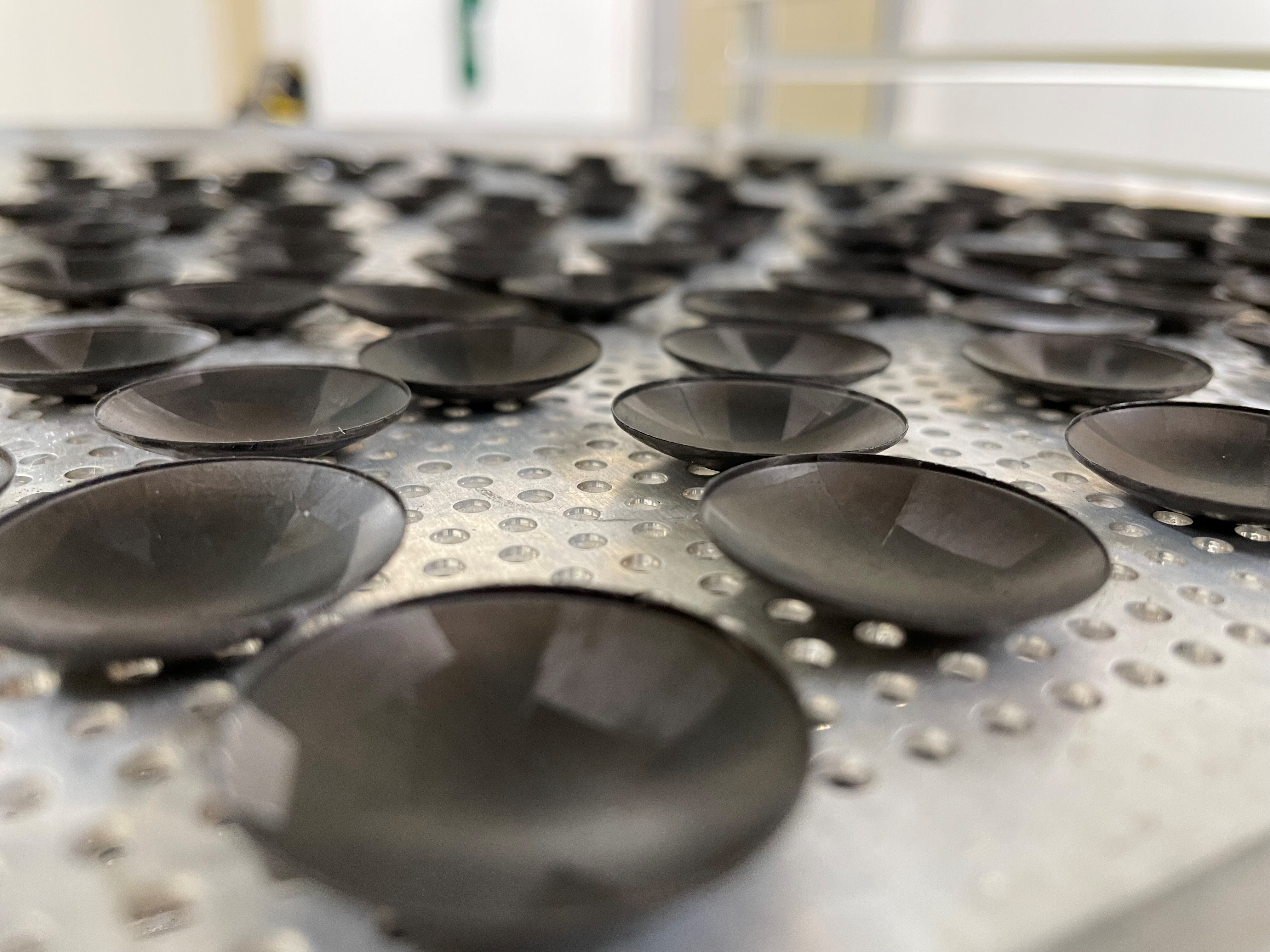
The article shows how resonances can be controlled and the resulting frequency response can be changed by varying the construction of the TPCD...